
"Lake Titicaca"
110 article(s) found

How much is Bolivian coffee?
Professional barista communication, please pay attention to coffee workshop (Weixin Official Accounts cafe_style ) Bolivia coffee overall taste rich and balanced, in addition to the good sour taste there is a light chocolate flavor, smooth taste is more smooth feeling, in contrast bitter taste is not obvious. The aftertaste of coffee is very good. After drinking, the sweet taste in the mouth lingers. The coffee brings

Peruvian coffee flavor characteristics introduce Peruvian coffee hand brewing parameters data Peruvian coffee how to make Peruvian coffee
For more information on coffee beans, please follow the Coffee Workshop (official Wechat account cafe_style). Speaking of Peru, there are countless interesting stories, ancient and mysterious Indian legends, the Sky City (Machu Pichu), the mysterious Nazca Land painting (Nazca), the Andes Peak breaking the horizon, and Lake Titicaca, the largest freshwater lake in South America.

Bolivia drinks correctly Bolivian coffee bean price
For professional baristas, please pay attention to the coffee workshop (Wechat official account cafe_style). South America is rich in coffee beans, and Bolivia is no exception. The unique tropical rain forest environment in some parts of Bolivia provides excellent natural conditions for the growth of organic coffee. The aroma of Bolivian coffee is rich and unique, whether it is the aroma of ground beans or the aroma of coffee produced.

Bolivian coffee taste and flavor characteristics of Bolivian coffee
The exchange of professional baristas please pay attention to the coffee workshop (Wechat official account cafe_style) varieties: iron card producer: Cabana small farmer flavor: roasted nuts and almonds, oranges and pomelos are rich in coffee beans in South America, and Bolivia is no exception. The unique tropical rain forest environment in parts of Bolivia provides excellent natural conditions for the growth of organic coffee.

Introduction to the characteristics of high-quality coffee beans with smooth texture in Bolivian coffee producing areas
The legal capital, the seat of the Supreme Court, with a population of 284000, 2790 meters above sea level. Founded in 1538, the city was formerly known as Chuquisaka. The city witnessed the first uprising in South America against Spanish rule in 1809. Bolivia declared its independence here in 1825 and became the capital in 1826. In 1839, it was renamed Sucre to commemorate the second president of Bolivia, General Antonio Jos é Sucre.

How does Bolivian coffee taste? how does Bolivian coffee brew?
For the exchange of professional baristas, please pay attention to the flavor of coffee workshop (Wechat official account cafe_style): dry aromas of roasted nuts and almonds, supple acidity of orange and white pomelo on the entrance, sweet caramel on the whole, smooth texture of firm fruit milk, cleanliness and balance, and attractive herbal aroma in finish. Bolivian coffee has a rich and unique aroma, regardless of

Does Bolivian coffee taste good? the method of making Bolivian coffee
The exchange of professional baristas please pay attention to the coffee workshop (Wechat official account cafe_style) varieties: iron card producer: Cabana small farmer flavor: roasted nuts and almonds, oranges and pomelos are rich in coffee beans in South America, and Bolivia is no exception. The unique tropical rain forest environment in parts of Bolivia provides excellent natural conditions for the growth of organic coffee.

Bolivian flavor describes which brand of Bolivian coffee is good.
Professional baristas Please pay attention to the Coffee Workshop (Wechat official account cafe_style) most of the coffee in Bolivia used to be of mediocre quality, but in recent years the production of boutique coffee has developed rapidly and there have been a lot of pretty good beans. In recent years, the COE (Cup of excellence) system, which was first implemented in Brazil, has gradually become popular, and Bolivia has also introduced this system.

What are the steps of Bolivian coffee brewing for Bolivian coffee brands
Professional baristas Please pay attention to the Coffee Workshop (Wechat official account cafe_style) Bolivian coffee has the advantages of high altitude and excellent coffee varieties, where the traditional Tibica and a small amount of Kaddura are highly regarded on the world market. In the past, coffee trees in Bolivia used to act as hedges and ornaments around the garden. Real commercial production comes from

Bolivian coffee hand data how to drink Bolivian coffee
For the exchange of professional baristas, please follow the coffee workshop (Wechat official account cafe_style) in Bolivia. 15g powder, medium grinding (small Fuji ghost tooth cutter 4 grinding), v60 filter cup, 88-89 degrees water temperature, 30g water injection for the first time, steaming for 27 seconds, water injection to 105g water cut off, wait for the powder bed water to drop to half and then water injection, slow water injection until 225g water, the end section is not

Bolivian coffee producing areas introduce how to brew Bolivian coffee.
For the exchange of professional baristas, please follow the coffee workshop (Wechat official account cafe_style) in Bolivia. 15g powder, medium grinding (small Fuji ghost tooth cutter 4 grinding), v60 filter cup, 88-89 degrees water temperature, 30g water injection for the first time, steaming for 27 seconds, water injection to 105g water cut off, wait for the powder bed water to drop to half and then water injection, slow water injection until 225g water, the end section is not

How about Bolivian coffee beans? flavor description characteristics of producing area information
For professional baristas, please pay attention to the coffee workshop (Wechat official account cafe_style). South America is rich in coffee beans, and Bolivia is no exception. The unique tropical rain forest environment in some parts of Bolivia provides excellent natural conditions for the growth of organic coffee. The aroma of Bolivian coffee is rich and unique, whether it is the aroma of ground beans or the aroma of coffee produced.
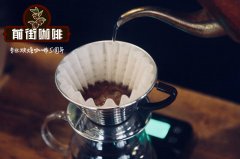
Introduction of handmade coffee in Gopagabana, Lake Diditicaca, Bolivia
Professional coffee knowledge exchange for more information about coffee beans, please follow the coffee workshop (Wechat official account cafe_style) Bolivia. Lake Diditicaca. Gopagabana production area: Diditicaca Lake producer: Gopagabana (Copacabana) small farmers altitude: about 1500m 1650m varieties: Tibikadura treatment: washing harvest time: June to December flavor description:

How does Bolivian coffee come from? how do Bolivian coffee beans grade?
Communication of professional baristas Please pay attention to the coffee workshop (Wechat official account cafe_style) the overall taste of Bolivian coffee is rich and balanced, in addition to the beautiful sour taste, there is also a light chocolate flavor, the smooth taste is more smooth, compared with the bitter taste is not obvious. The aftertaste of the coffee is very good, and the sweet taste in the mouth lingers after drinking it.

How is the Bolivian coffee bean market? which brand of Bolivian coffee is good?
For the exchange of professional baristas, please pay attention to the flavor of coffee workshop (Wechat official account cafe_style): dry aromas of roasted nuts and almonds, supple acidity of orange and white pomelo on the entrance, sweet caramel on the whole, smooth texture of firm fruit milk, cleanliness and balance, and attractive herbal aroma in finish. Bolivian coffee has a rich and unique aroma, regardless of

A brief introduction to the cultivation of boutique coffee beans in Bolivia
The advantage of Bolivian coffee lies in its high altitude and excellent varieties of coffee, where the traditional Tibica and a small amount of Kaddura are highly valued in the world market. In the past, coffee trees in Bolivia used to act as hedges and ornaments around the garden. Real commercial production began in the early 1950s. The great frost in 1957 seriously damaged Pakistan.

Description of Bolivian Coffee Flavor with dry aroma of Almond introduction to the method of taste treatment of grinding degree
Flavor: dry aroma of roasted nuts and almonds. Lake Titicaca of oranges and pomelos is located on the Coya'ao Plateau on the border of Bolivia and Peru. It is the highest and largest freshwater lake in South America. It is also one of the highest freshwater lakes in the world. It is also the highest navigable lake in the world. It used to be the third largest lake in South America.

Description of taste and flavor of Bolivian coffee beans introduction of grinding scale of varieties in producing areas
The flavor of hand-brewed coffee is introduced in detail: the dry aroma of roasted nuts and almonds, the supple acidity of orange and white pomelo on the entrance, sweet caramel as a whole, the smooth texture of nut milk, cleanliness and balance are also quite eye-catching, and the herbal aroma of Yuyun is also quite charming. Wash Bolivia with a cup of water by hand. It is recommended to use 15 grams of powder at 87 degrees Celsius, with a gouache ratio of 1:15.

Description of Variety and Flavor in Bolivian Coffee production area introduction of Grinding degree and Baking degree
Flavor: dry aroma of roasted nuts and almonds. Lake Titicaca of orange and pomelo is located on the Coya'ao Plateau on the border of Bolivia and Peru. It is the highest and largest freshwater lake in South America. It is also one of the highest freshwater lakes in the world. It is also the highest navigable lake for ships in the world. It is the third largest lake in South America to wash Bolivia with a cup of water.

Bolivian coffee hand-made reference and flavor description
Following caf é (Wechat official account vdailycom) found that Beautiful Caf é opened a small shop rich in coffee beans in South America, and Bolivia is no exception. The unique rainforest environment in some parts of Bolivia provides excellent natural conditions for the growth of organic coffee. The aroma of Bolivian coffee is rich and unique, whether it is the aroma of ground beans or made.